Hannah Arendt _ Kant Rozenberg Quarterly
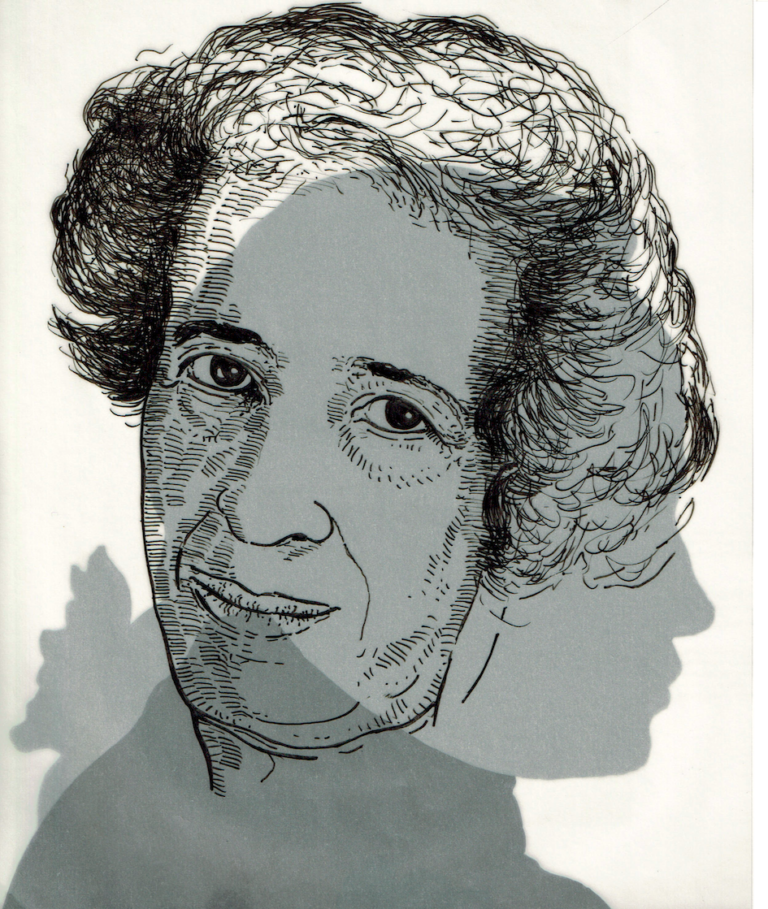
the spectator who watches events unfold and the actor who takes part in these events. It is the spectator's understanding of the world, both as to. phenomenal, and especially the political, world. The spectator is a. neutral and disinterested person to an event or action who has none of the prejudices held by an actor.
Arendt Hannah Conferencias Sobre La Filosofia Politica De Kant.PDF [PDF Document]

Hannah Arendt's last philosophical work was an intended three-part project entitled The Life of the Mind.Unfortunately, Arendt lived to complete only the first two parts, Thinking and Willing.Of the third, Judging, only the title page, with epigraphs from Cato and Goethe, was found after her death.As the titles suggest, Arendt conceived of her work as roughly parallel to the three Critiques of.
Political Philosophy of Hannah Arendt Literary Theory and Criticism

Critics of Hannah Arendt's Lectures on Kant's Political Philosophy argue that Arendt fails to address the most important problem of political judgment, namely, validity.This essay shows that Arendt does indeed have an answer to the problem that preoccupies her critics, with one important caveat: she does not think that validity is the all-important problem of political judgment—the.
Hannah Arendt and Roman Political Thought The Practice of Theory DEAN HAMMER, 2002
Hannah Arendt's last philosophical work was an intended three-part project entitled The Life of the Mind.Unfortunately, Arendt lived to complete only the first two parts, Thinking and Willing.Of the third, Judging, only the title page, with epigraphs from Cato and Goethe, was found after her death.As the titles suggest, Arendt conceived of her work as roughly parallel to the three Critiques of.
(PDF) Hannah Arendt From Kantian Aesthetics to the Practice of Political Judgment Linda M G

Hannah Arendt's last philosophical work was an intended three-part project entitled The Life of the Mind.Unfortunately, Arendt lived to complete only the first two parts, Thinking and Willing.Of the third, Judging, only the title page, with epigraphs from Cato and Goethe, was found after her death.As the titles suggest, Arendt conceived of her work as roughly parallel to the three Critiques of.
Arendt, h conferencias sobre la filosofía política de kant by C Gerardo Del Rio Issuu

Arendt on Kant's Critique of Judgment 07-02-2013. Sensus communis as a foundation for men as political beings: Arendt's reading of Kant's Critique of Judgment Annelies Degryse Katholieke Universiteit Leuven, Belgium Philosophy Social Criticism 2011 37(3): 345. Arendt's late reading of Kant proposes a connection between aesthetics and politics that, among other innovations, offers a new way.
The Promise of Politics by Hannah Arendt, Paperback, 9780805212136 Buy online at The Nile
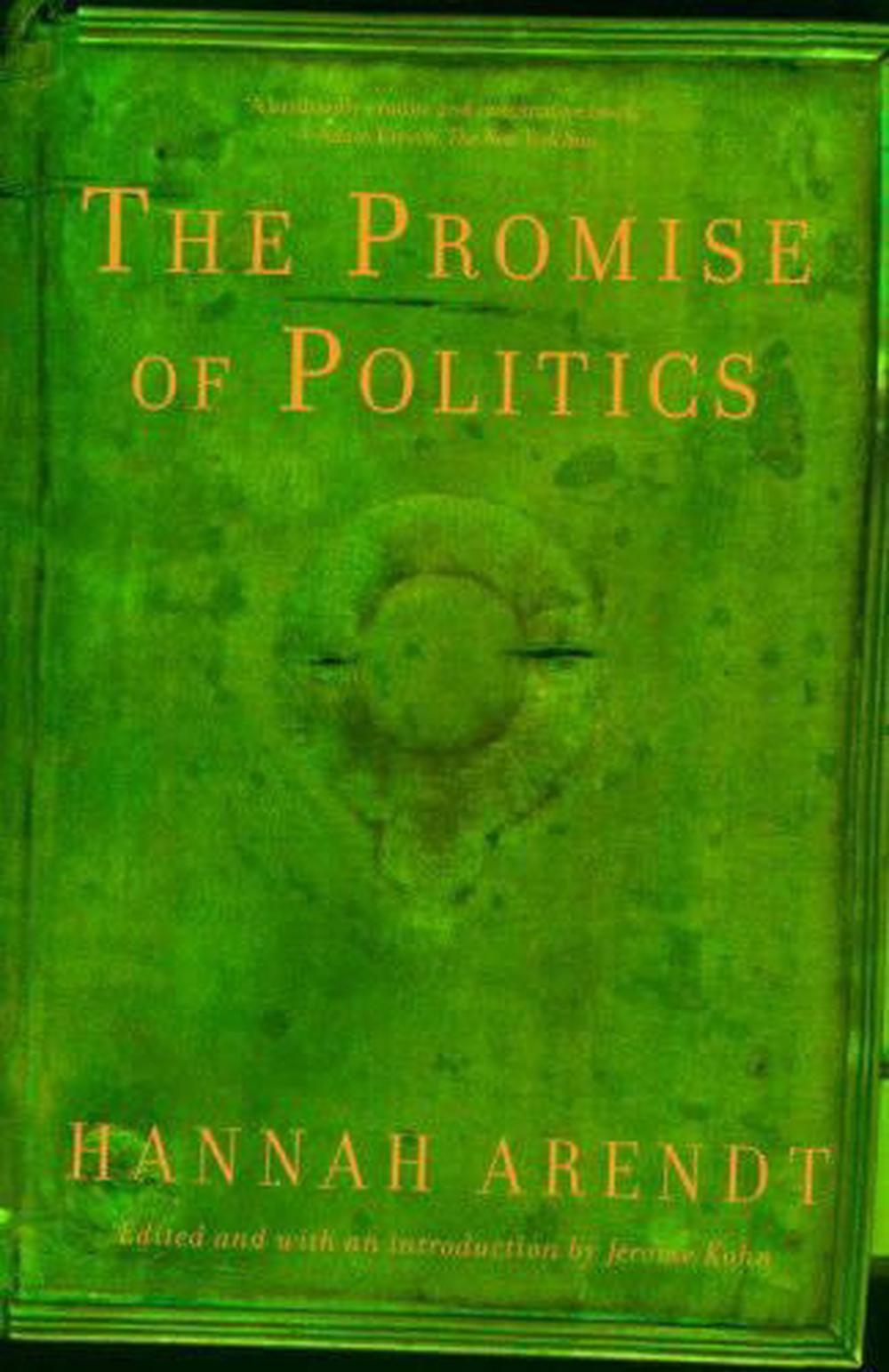
viii, 174 pages ; 23 cm Hannah Arendt's last philosophical work was an intended three-part project entitled 'The Life of the Mind'. Unfortunately, Arendt lived to complete only the first two parts, 'Thinking' and 'Willing'.
An Introduction to the Philosophy of Hannah Arendt by Douglas Giles, PhD Inserting

Vlll PREFACE lectures she gave on moral philosophy at Chicago and at the New School during 1965 and 1966. Arendt was scheduled to lecture again on the Critique of judgment in the Spring semester
Lectures on Kant`s political Philosophy by Hannah Arendt ShopiPersia

Hannah Arendt. Hannah Arendt (1906-1975) was one of the most influential political philosophers of the twentieth century. Born into a German-Jewish family, she was forced to leave Germany in 1933 and lived in Paris for the next eight years, working for a number of Jewish refugee organizations. In 1941 she immigrated to the United States and.
Berghahn Books Spotlight Hannah Arendt
In fact, while she began work on The Life of the Mind, Arendt lectured on "Kant's Political Philosophy," using the Critique of Judgment as her main text. The present volume brings Arendt's notes for these lectures together with other of her texts on the topic of judging and provides important clues to the likely direction of Arendt's.
Happy Birthday, Hannah Arendt! Ordinary Philosophy

304 THE JOURNAL OF POLITICS, VOL. 46, 1984 Lectures on Kant's Political Philosophy. By Hannah Arendt. Edited and with an Interpretive Essay by Ronald Beiner.
Hannah Arendt and Political Theory
Abstract. This paper offers a restatement of the basic project of Hannah Arendt's Lectures on Kant's Political Philosophy, tries to trace its theoretical motivation, and presents some criticisms of Arendt's interpretation of Kant's Critique of Judgment. Arendt's political philosophy as a whole is an attempt to ground the idea of human dignity.
HANNAH ARENDT'S CONTRIBUTION TO POLITICAL THOUGHT YouTube

Lectures on Kant's Political Philosophy. Edited and with an interpretive essay by Ronald Beiner. Chicago: University of Chicago Press, 1982. Summary: Hannah Arendt's last philosophical work was an intended three-part project entitled The Life of the Mind. Unfortunately, Arendt lived to complete only the first two parts, Thinking and Willing.
Lectures on Kant's Political Philosophy Hannah Arendt
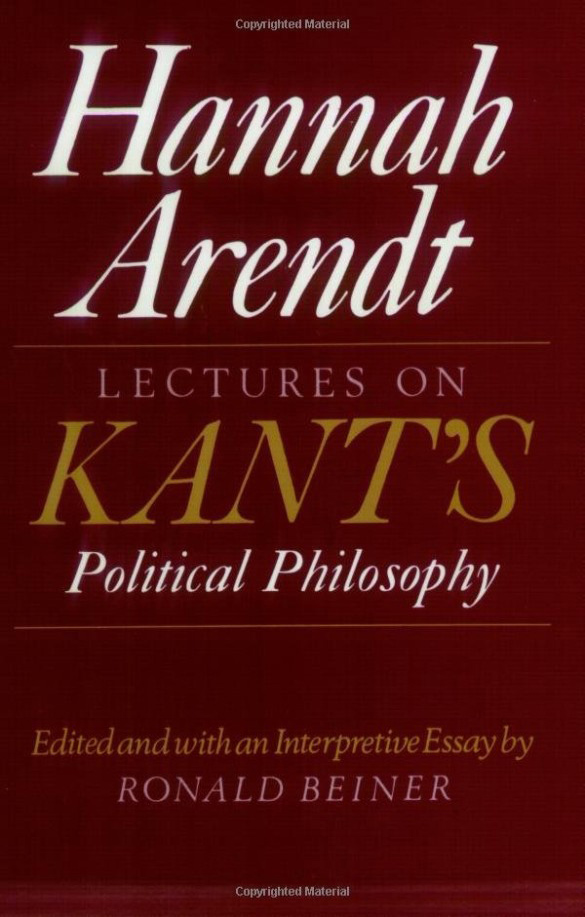
Hannah Arendt, Lectures on Kant's Political Philosophy. Edited with an Interpretive Essay by Ronald Beiner. Brighton, Harvester Press, 1982, pp. viii, 174, £16.95. - Volume 5 Issue 1
Remembering Hannah Arendt, Political Philosopher And The First Woman Professor At Princeton
/shethepeople/media/post_banners/AJDwepva68d7zMRru3CZ.jpg)
This article considers Hannah Arendt's posthumously published Lectures on Kant's Political Philosophy, lectures delivered at the New School for Social Research in the fall semester of 1970.By taking Arendt's highly provocative reading of Kant as a point of departure, the essay probes Arendt's own theory of judgment.
Hannah Arendt Papers Subject File, 19491975; Courses; University of Chicago, Chicago, Ill

Hannah Arendt's last philosophical work was an intended three-part project entitled "The Life of the Mind." Unfortunately, Arendt lived to complete only the first two parts, "Thinking" and "Willing." Of the third, "Judging," only the title page, with epigraphs from Cato and Goethe, was found after her death. As the titles suggest, Arendt conceived of her work as roughly parallel to the three.
.